
Introduction
A car crash can happen in a second. One moment you’re driving to work, and the next you’re standing on the side of the road looking at a dented door or a smashed bumper. It’s a stressful moment for anyone.
The good news is that car body repairs after a collision follow a clear, well-tested process. Once you know the steps, the process becomes much easier to understand. This guide walks you through it from start to finish, in plain, simple language.
What Happens to a Car in a Collision?
When two cars hit each other, the force has to go somewhere. Modern cars are actually built to absorb this force. The front and rear sections are designed to crumple on purpose, so the crash energy doesn’t reach the people inside.
This is the reason a small bump can look big. A crumpled bonnet or bent panel is often the car doing its job properly. It protected you by taking the hit itself.
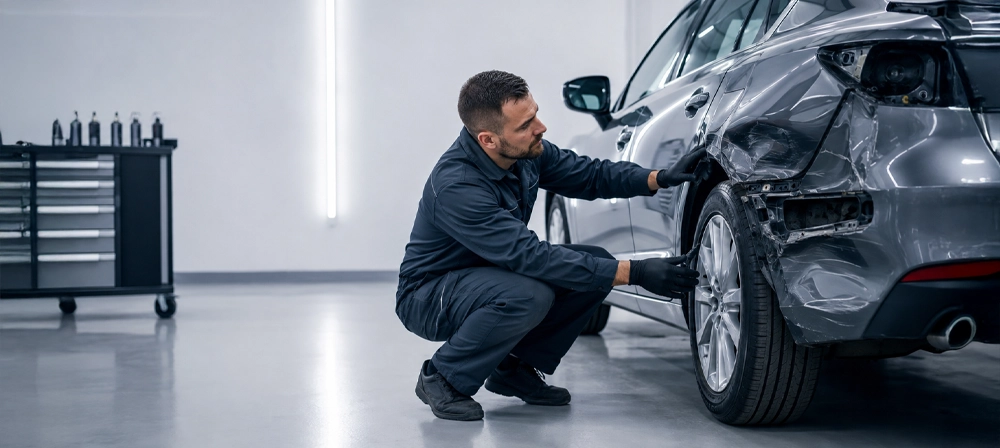
That’s also why collision car repairs need real skill. A repairer isn’t just making the car look nice again. They’re repairing damaged bodywork and structural components so the vehicle can be restored correctly.
What to Do Right After a Collision
Step 1: Make Sure Everyone Is Safe
Make sure everyone is okay before you think about the car. If someone is hurt, you should call the emergency number right away.
Get your car out of the way if it’s safe to do so. Leave your warning lights on so other cars can see you.
Take a breath. This is a shock for anyone, so give yourself a moment before you deal with the next steps.
Step 2: Report the Accident
When everyone is safe, give the other driver your information. Get their name, phone number, and registration plate.
Snap pictures of both cars, the road, and any damage. These photos help later when your accident car repairs are assessed.
In Victoria, you must report the crash to police if someone is injured and police aren’t already at the scene. You may also need to report it where property has been damaged and the owner isn’t present. If no one is injured and everyone involved has exchanged the required details, Victoria Police will not normally make a formal accident report. Rules differ slightly by state, so check with your local police station if you’re unsure.
Step 3: Contact Your Insurer
Talk to your insurance company right away. They will ask what happened and may send someone to look at the car, or ask you to get quotes from a repairer.
This is also the point where your car gets assessed for damage. An insurer or assessor considers the vehicle’s damage, repair costs, value and whether it can be repaired safely. In some cases, a vehicle may be classified as a write-off rather than approved for repair.
Step 4: Choose a Repairer You Can Trust
Whether you can pick your own repairer depends on your insurance policy. Some comprehensive policies include “choice of repairer” as standard, some offer it as a paid extra, and some direct you to their own network of workshops. Check your Product Disclosure Statement, or simply ask your insurer directly, before you assume either way.
If you do have a choice, look for a repairer who is experienced, has good reviews, and is upfront about the repair process. A trustworthy repairer will explain what needs fixing and why. They won’t rush you, and they’ll answer your questions clearly.
It also helps to ask how long the smash repairs will take and what the repair will include. A good repairer is happy to walk you through every stage.
How Car Body Repairs After a Collision Actually Work
Damage Assessment
The repairer inspects the whole car, not just the obvious dent. Hidden damage can hide behind panels, especially around the frame and suspension.
They’ll write up a repair plan listing every part that needs work. This plan is also what gets sent to your insurer for approval.
Panel Beating and Frame Straightening
This is a key part of many collision repairs. Skilled technicians reshape bent panels, or replace them if they’re too damaged to fix.
If the frame itself is bent, specialist measuring and straightening equipment may be used to restore the affected areas in line with manufacturer repair specifications. This step matters for safety, not just looks, because a straight frame keeps the car handling properly.
Paint Matching and Refinishing
Next comes the paint. Technicians use colour-matching techniques to closely match the existing finish before applying the required refinishing and protective coats.
This step also includes sanding, priming, and a clear protective top coat. It’s a slow process because rushing it shows in the final finish.
Reassembly and Quality Checks
Once the paint has healed, the team puts everything back together. This includes lights, trims, sensors, and anything else that was removed during the repair.
Before your car is handed back, it goes through a quality check. This makes sure everything lines up, closes properly, and works as it should.
Get an Honest Assessment First
Not sure if your car can be repaired or if it’s a write-off? A proper inspection gives you a clear answer, so you’re not left guessing.
Know Your Rights During Accident Car Repairs
As a consumer, you have legal rights when you pay for a repair service in Australia. Under the ACCC’s consumer guarantees, any repairer you use has to do the work with proper care and skill, to the standard a skilled repairer would normally deliver.
If something isn’t done properly, the ACCC confirms you’re entitled to at least a free fix for a minor problem. It’s worth keeping this in mind and holding onto copies of your paperwork, in case anything needs following up later.
How Long Does Smash Repair Take?
There’s no single answer, because every car and every crash is different. A small dent might take a day or two. A car with frame damage or lots of parts on back order can take a few weeks.
Your repairer should give you a realistic timeframe once they’ve assessed the car. If anything changes along the way, a good repairer will keep you updated rather than leaving you wondering.
Tips to Make the Process Smoother
A few small habits make collision car repairs much less stressful.
- Keep a folder (digital or paper) with photos, police reports, and insurer emails.
- Ask questions early. It’s much easier to ask before repairs start than after.
- Get everything in writing, especially quotes and repair timelines.
- Check in with your repairer if you haven’t heard from them in a while.
If you need professional help, get in touch with Colonial Collision Center. From the first assessment to the final polish, we guide you and handle the whole journey with you, not just the panel work.
Final Thoughts
A collision is never fun, but the repair process doesn’t have to be confusing. Once you understand the steps, from that first phone call to the final quality check, you can move through it with a lot more confidence.
If you’re in Melbourne’s west and need trusted, experienced hands on your vehicle, Colonial Collision Centre in Brooklyn has been helping local drivers get back on the road for years. Whatever the damage, getting the right team on the job from day one makes all the difference.