
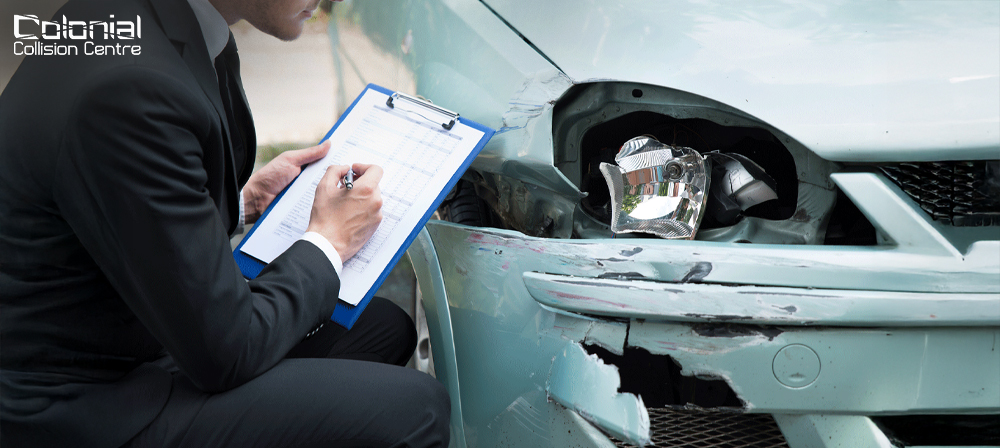
You’ve just collected your vehicle after an accident insurance repair. Panel gaps look uneven. Something rattles when you close the door. After the stress of dealing with an accident, substandard repair work is the last thing you need.
You’re not alone in this frustration. Many Australian motorists discover disappointing workmanship after they complete their vehicle insurance claim repair. The good news? You have rights under Australian Consumer Law. You don’t have to settle for below-standard work.
This guide walks you through practical steps to take when you’re dissatisfied with repairs. We’ll show you how to handle conversations with insurers and repairers. You’ll learn how to ensure your vehicle gets the quality finish it deserves.
Knowing Your Rights as a Vehicle Owner
Australian Consumer Law protects you. You’re entitled to repairs completed with due care and skill. The work must be fit for purpose and of acceptable quality. These rights apply regardless of whether you’ve chosen your own repairer or used an approved smash repair insurance network provider.
Here’s something important to remember: insurers cannot force you to use a particular repairer. Quality car insurance repair service work should restore your vehicle to its pre-accident condition, both cosmetically and mechanically. Anything less isn’t good enough.
Your insurer has obligations too. They must ensure their approved smash repair insurance network providers meet quality standards. If you’ve used one of their recommended repairers and the work is substandard, they share responsibility for making it right.
Common Issues With Insurance Smash Repair Work
Motorists frequently encounter several problems. Paint mismatches are common. Visible panel gaps catch the eye. Rattling or squeaking noises emerge. Rust treatment might be incomplete. Finishing work can look rushed.
These issues might not be immediately obvious when you collect your vehicle. Sometimes they only become apparent days or weeks later. You’ve driven the car in different conditions and spotted what’s wrong.
Check your vehicle thoroughly before you leave the repair facility. Do this in good lighting conditions. Examine panel alignment carefully. Open and close all doors and the bonnet. Listen for unusual sounds. Run your hand along repaired panels to feel for inconsistencies in the finish.
Take photos of any concerns. This documentation proves invaluable for follow-up discussions. If you need to escalate your complaint later, this evidence becomes crucial.
Step 1: Document Everything Thoroughly
Take detailed photographs and videos of all repair issues. Capture multiple angles. This strengthens your position significantly. Keep all paperwork related to the insurance car repair claim. This includes quotes, invoices, and correspondence with both the repairer and your insurer.
Create a written log of problems you’ve noticed. Include dates and specific descriptions. For example, don’t just note “bad paint job.” Write “mismatched paint colour on driver’s side rear door, approximately 2cm lighter than adjacent panel, first noticed on 15 January 2025.”
This documentation proves essential when you raise concerns with the repairer or insurer. It demonstrates you’ve been thorough and professional in identifying issues.
Step 2: Contact the Repair Workshop First
Approach the repairer directly as your first point of contact. Remain calm and professional throughout. Request a meeting with the workshop manager to discuss your concerns in person. Bring your photographic evidence along.
Reputable car insurance repair service providers typically want to fix issues. They aim to maintain their reputation and relationship with insurers. Most workshops would rather fix problems than risk negative reviews or complaints to insurance companies.
Give the repairer a reasonable opportunity to inspect and fix the problems before you escalate further. Be clear about your expectations. Ask for a timeline for when repairs will be completed.
Step 3: Escalate to Your Insurance Provider
Contact your insurer if the repairer is unresponsive. Also reach out if they refuse to acknowledge problems or you’re unsatisfied with proposed solutions. Lodge a formal complaint with your insurance company. Reference your policy terms and the guarantees they’ve made about their approved repair network.
Insurers have obligations to ensure their approved smash repair insurance providers meet quality standards. They may arrange for an independent assessment of the repair work if disputes arise. This assessment helps determine whether the work meets acceptable industry standards.
Keep detailed records of all conversations with your insurer. Note dates, times, and names of representatives you’ve spoken with. Write down what was discussed or agreed upon.
Step 4: Seek an Independent Assessment
Get a second opinion from an independent, qualified panel beater or mechanic if disagreements continue. Independent assessments provide objective evidence of substandard workmanship. This evidence is hard to dispute.
You may need to pay for this service upfront. However, it can prove invaluable in supporting your complaint. Ask the independent assessor to provide a detailed written report with photographs. They should document all issues they’ve identified.
This independent evidence carries significant weight. It matters when you deal with insurers or if you need to pursue formal complaints through regulatory bodies.
Step 5: Know Your Escalation Options
The Australian Financial Complaints Authority (AFCA) handles insurance-related disputes. AFCA provides free, independent dispute resolution for consumers with complaints about financial services. This includes insurance claims.
State-based consumer protection agencies can also provide guidance and support. Consumer Affairs Victoria offers assistance in Victoria. NSW Fair Trading helps in New South Wales. Each state has equivalent bodies.
Consider seeking legal advice for significant disputes. This becomes particularly important if safety concerns are involved. Keep copies of all correspondence. Maintain detailed records throughout the escalation process. This documentation becomes vital if you need to prove your case to AFCA or in legal proceedings.
How to Choose Quality Repairers From the Start
Prevention works better than cure. Check reviews on Google and social media. Verify certifications with industry bodies. Ask about warranties before you choose a repairer.
Look for established workshops with proven track records. Colonial Collision Centre in Brooklyn, for example, has over 30 years of experience. They offer a lifetime warranty on repairs, a sign of confidence in their workmanship.
Quality repair facilities have modern equipment. Their technicians are trained with current certifications. They maintain clear communication practices. They should be willing to explain the repair process. They’ll provide detailed quotes and keep you updated throughout the work.
Remember: you’re entitled to choose your own repairer. This applies even if your insurer has preferred providers. Using approved repairers may offer certain guarantees. However, the final decision rests with you.
Get Expert Repair Services You Can Trust
Act quickly when you discover substandard repair work. Document issues thoroughly. Contact the repairer first.
Australian motorists deserve quality repairs that restore their vehicles to pre-accident condition. You shouldn’t accept substandard work. Choose the right repairer from the start to prevent many headaches down the track.
Colonial Collision Centre is Brooklyn’s trusted name in quality smash repairs. We have over 30 years of experience serving the community. Our accredited mechanics use state-of-the-art equipment and techniques to deliver exceptional results. We back all repairs with a lifetime warranty.